Farm Workers Condemn $2.46 Billion in Trump Wage Cuts
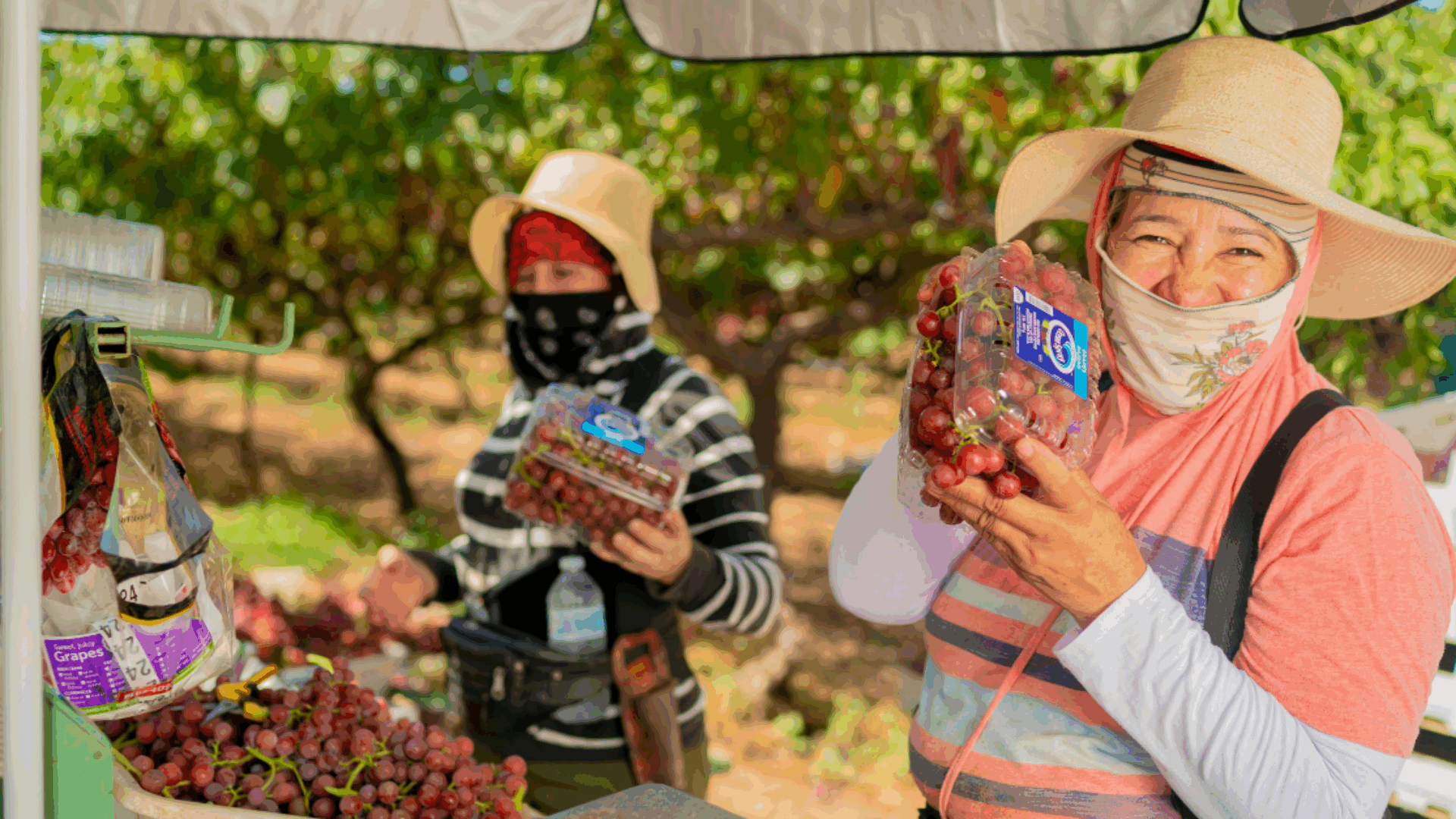
Washington, D.C. – On October 2, the second Trump administration announced regulatory changes that would drastically reduce the wages of all farm workers across the United States — undercutting and displacing American workers in agriculture. The proposal will cut income for farm workers by at least one third, with cuts ranging from $5 to $7 per hour, depending on the state. In total, farm workers will lose $2.46 billion annually in wages and $17.29 billion over the next ten years.
The changes proposed would lower the Adverse Effect Wage Rate (“AEWR”), which is designed to prevent an adverse effect on domestic farm workers from the H2A agricultural guest worker program, the only uncapped guest worker program in the United States. The regulation would also transfer housing costs from employers to H2A workers with employers empowered to deduct “rent” from workers’ paychecks. The new regulations also cut wages for certain more skilled and desirable positions such as tractor drivers, underpaying workers for job duties that would have previously paid more. By lowering the wages paid to H-2A workers, the Trump administration is putting downward pressure on the wages of U.S. workers and will ultimately displace many U.S. citizens from jobs in agriculture.
Under the Trump wage cut, farm workers in the following states would receive the following cuts to their hourly wages, some of which are below their state minimum wage:
- California: $19.97 to $16.45 an hour; a reduction of $3.52 an hour (not including a further cut for workers, in the form of a housing deduction for workers who live in employer-provided housing, of $3.00; bringing the actual worker salary to $13.45 which is below the California state minimum wage).
- Georgia: $16.08 to $12.27; a reduction of $3.81 (before the housing deduction of $1.75)
- Michigan: $18.18 to $13.78; a reduction of $4.40 (before the housing deduction of $1.32)
- New York: $18.83 to $15.68; a reduction of $3.15 (before the housing deduction of $2.40)
- Washington: $19.82 to $16.53; a reduction of $3.29 (before the housing deduction of $2.49)
- Missouri: $18.65 to $14.56; a reduction of $4.09 (before the housing deduction of $1.28)
- Arizona: $17.04 to $15.32; a reduction of $1.72 (before the housing deduction of $2.10)
*This does not change current regulations that the worker still gets paid the highest of the state minimum wage, AEWR, prevailing wage, or the collective bargaining wage.
The regulation is effective immediately and did not provide the public with an opportunity to provide comment before its effective date.
In response to the Trump administration’s effort to lower farm worker wages, the UFW and UFW Foundation issued the following statements.
Teresa Romero, President of the United Farm Workers, said:
“The Trump wage cut is a catastrophe for American workers in agriculture who growers intend to replace with cheap and exploitable foreign guest workers. When guest worker wages are lowered, it is American jobs that are lost. With the H2A visa having no cap, and with H2A visa fraud already leading to H2A workers taking up jobs in construction and other industries, the Trump wage cuts opens the gates to potentially unlimited American job losses.”
Erica Lomeli Corcoran, UFW Foundation Chief Executive Officer said:
“Farm workers should be paid more, not less. This regulation is a win for corporate greed; a money grab for big agribusiness that transfers millions of dollars through wage cuts and housing deductions from workers to employers. The farm workers who feed us every day deserve so much more and we remain committed to ensuring that their labor and dignity is respected.”
###
The United Farm Workers is the oldest and largest agricultural labor union in the United States.
For more information, visit ufw.org.
The UFW Foundation, a 501(c)(3) nonprofit, advocates for labor rights and protections for farm workers across the U.S. and provides educational outreach and critical services such as serving as one of the largest providers of immigration legal services to low-income rural California communities.For more information, visit www.ufwfoundation.org.
Related News
U.S. Federal Court rules Trump Administration’s bid to cut farm worker wages is illegal
UFW Foundation Unveils First In-Depth Survey of Undocumented Farm Workers Impacted by Immigration Raids
UFW Foundation Statement on the U.S. Supreme Court Ruling Upholding Birthright Citizenship
Stay Informed
Keep up with our programs and stay informed about policy developments in immigration, workers’ rights and more with our weekly newsletter.